Hong Kong trips and vacations

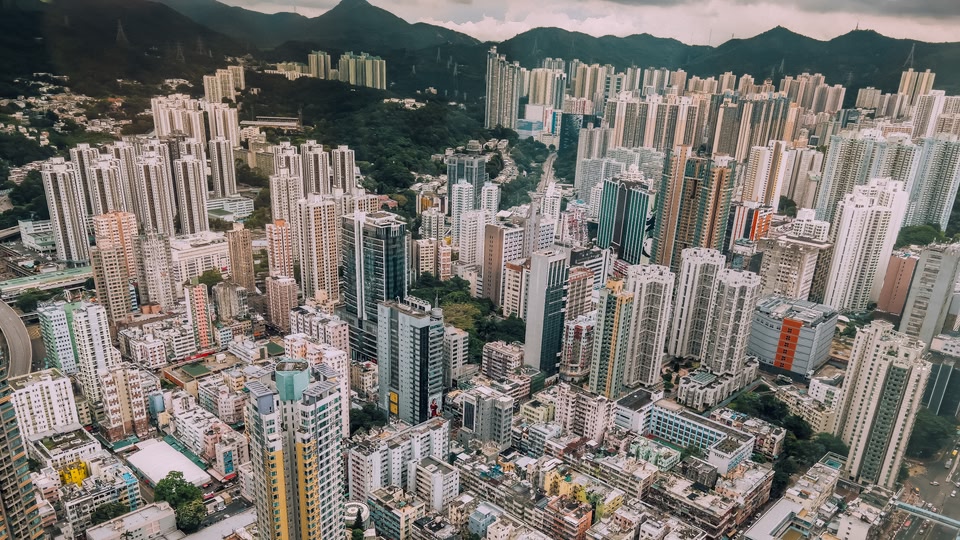
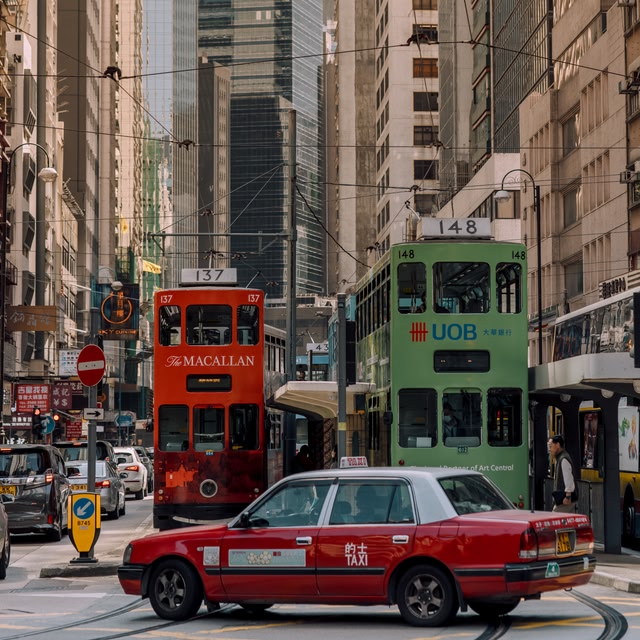
Vacations in Hong Kong may seem overwhelming at first, but lean into it, and you’ll have an epic adventure. Dive into one of its busy street markets where savory dumplings, roast pork and rice rolls reign supreme, before hopping on the Star Ferry for a glimpse of that famous skyline. With 7 million people packed into this city’s tiny area, there’s nowhere quite like it.

Hong Kong vacation highlights
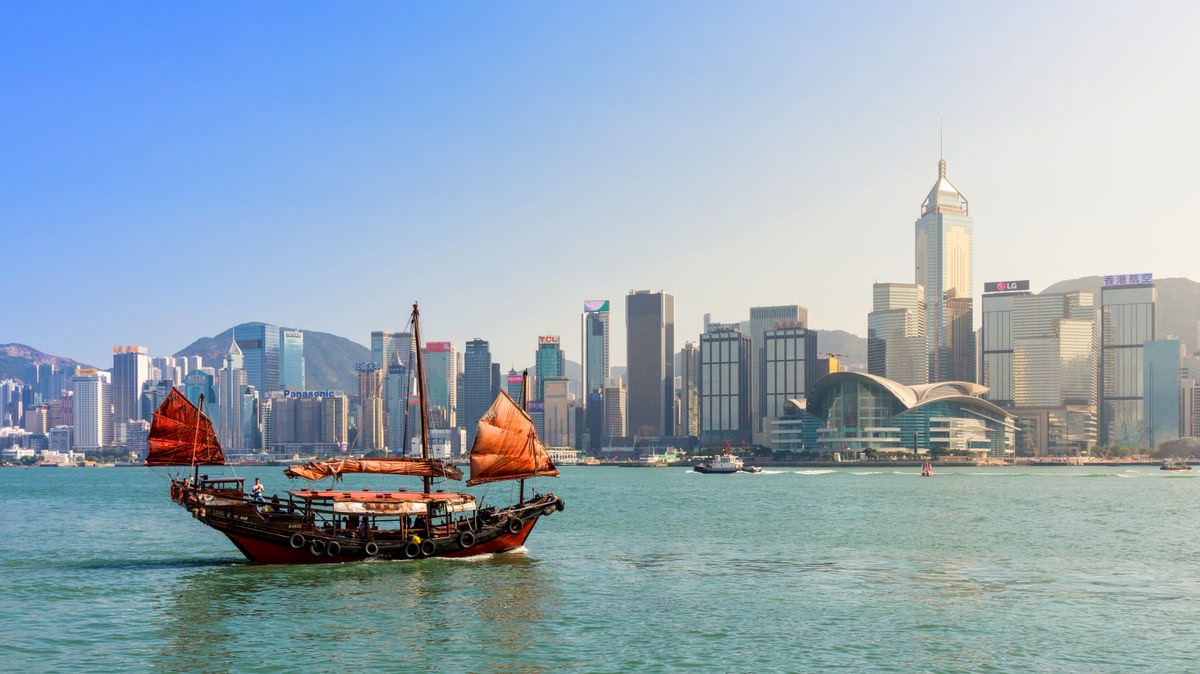
Hong Kong

Skyline views

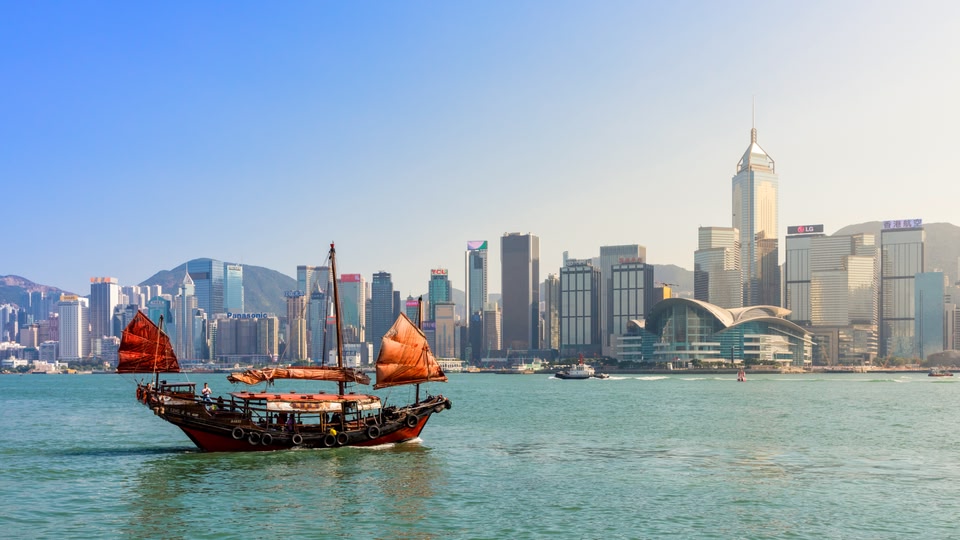
Hong Kong’s unmistakable urban skyline stands before forested mountains. For most, a trip to Hong Kong includes a visit to the steep Peak Tram on Hong Kong Island for shifting skyscraper views. On a clear day, enjoy unrivaled Victoria Harbour vistas. To return to the city, follow the leafy Central Green Trail.

Harborfront experiences

Victoria Harbour separates Hong Kong’s two main districts, Kowloon and Central. On Kowloon’s waterfront, the city’s famous cinema industry is celebrated on the Avenue of Stars. Across the water in Central, the Hong Kong Observation Wheel is a popular spot. Selfies on the Ocean Terminal Deck near Harbour City are a must while on vacation in Hong Kong.

Natural splendor

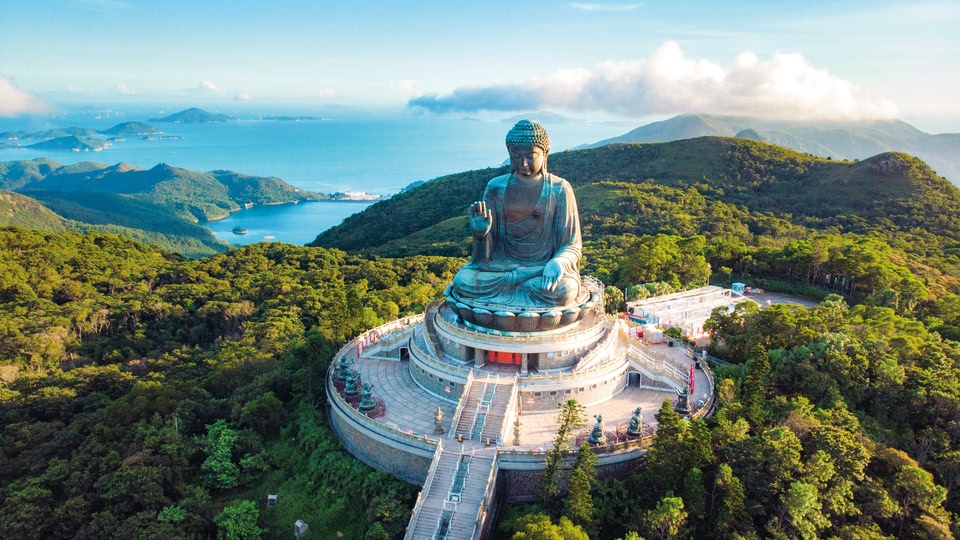
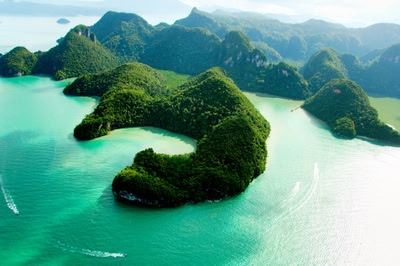
Despite the city’s urban infrastructure, Hong Kong also offers plenty of nature to explore. Ferry trips to harborside Sai Kung and outlying islands offer great hiking and sunbathing. If you’re feeling more adventurous, scale the Dragon’s Back mountain ridge trail, a two-hour hike with stunning views. Then there’s Lantau Island, home of the world’s largest seated bronze buddha Tian Tan.

Watch our Hong Kong travel guide

Discover what makes Hong Kong special with our ultimate video guide. Find the best things to do, places to visit and local experiences for your next Hong Kong vacation.

Hong Kong: Know before you go

Language

Cantonese, English

Currency

Hong Kong dollar (HK$)

Time zone

UTC+8 (HKT)

High season

July – August

Low season

February – March
Find the best time to go to Hong Kong

Weather in Hong Kong

March – April: Subtropical spring brings a blaze of floral color to the streets. And balmy temperatures make it a great time to be outdoors.

May – September: Summers are hot in Hong Kong, with daytime temperatures rarely dipping below 80°F. Pack breathable clothing to help with the humidity. Typhoon season peaks between July and September, bringing heavy rains and winds.

October – November: Fall is still sunny but less humid. Ocean breezes make this the perfect time to head for the beach.

December – February: It never gets too cold in Hong Kong. Still, you’ll want a jacket starting in January, when temperatures can drop to around 55°F.

Events in Hong Kong

Chinese New Year (January to February): Dates change with the lunar cycle, but the New Year celebrations go on for weeks in Hong Kong. Visit the flower markets and join the street parade. Or watch the sky fill with lanterns on the final day of festivities.

Hong Kong Sevens (March): The city’s annual rugby sevens tournament is a 50-year-old tradition. It’s so popular that a new 50,000-seat stadium has been built to host it.

Mid-Autumn Festival (October): Hundreds of performers dance a fire dragon through the streets at this family-focused event. Join the locals heading to the harbor to gaze at the moon — and don’t forget to try the mooncakes.

We scan 100 billion prices, so you don't have to

Compare prices to score a cheap vacation to Hong Kong

Book your vacation to Hong Kong, all in one place

The best neighborhoods in Hong Kong

Central

Skyscrapers define Hong Kong Central, but there’s much more to see. Visit the walk-through aviary at the Hong Kong Zoo and Botanical Gardens. Indulge at the modern retail and dining options replacing the former food stalls of Central Market. Central is the best neighborhood to stay in Hong Kong for dining and nightlife, with many pubs, bars and restaurants lining its Central-Mid-Levels Escalator, the world’s longest covered walkway system.

Good for: Zoo and gardens, shopping, dining

Tsim Sha Tsui

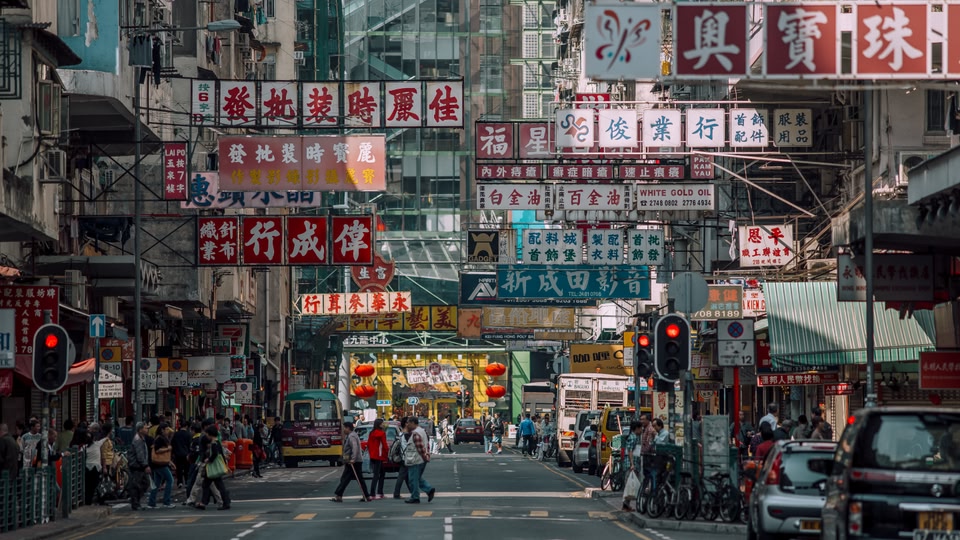
Whether you’re browsing brand-name boutiques in the Harbour City mall or searching for bargains at Granville Road’s thrift stores, the versatile Tsim Sha Tsui is undoubtedly the best area to stay in Hong Kong for shopaholics. All shopped out? Sample fine dining with harbor views or stretch those Hong Kong dollars further around Carnarvon Road, where the locals eat.

Good for: Shopping, good value, food

Causeway Bay

If Causeway Bay feels familiar, you may recognize it from movies like ‘Rush Hour 2’. Enjoy eating and haggling your way around street markets like Jardine’s Crescent, but be sure to save time for the real highlight, the rooftop lounges. This is also where to stay in Hong Kong for local experiences like pre-coffee tai chi sessions in Victoria Park and live sports at Hong Kong Stadium.

Good for: Nightlife, local life, entertainment

Things to do in Hong Kong

Hong Kong
Charles

Shopping

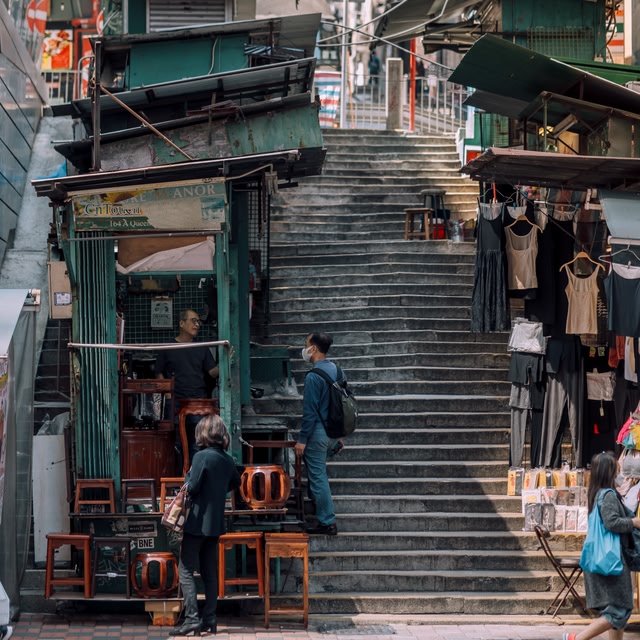
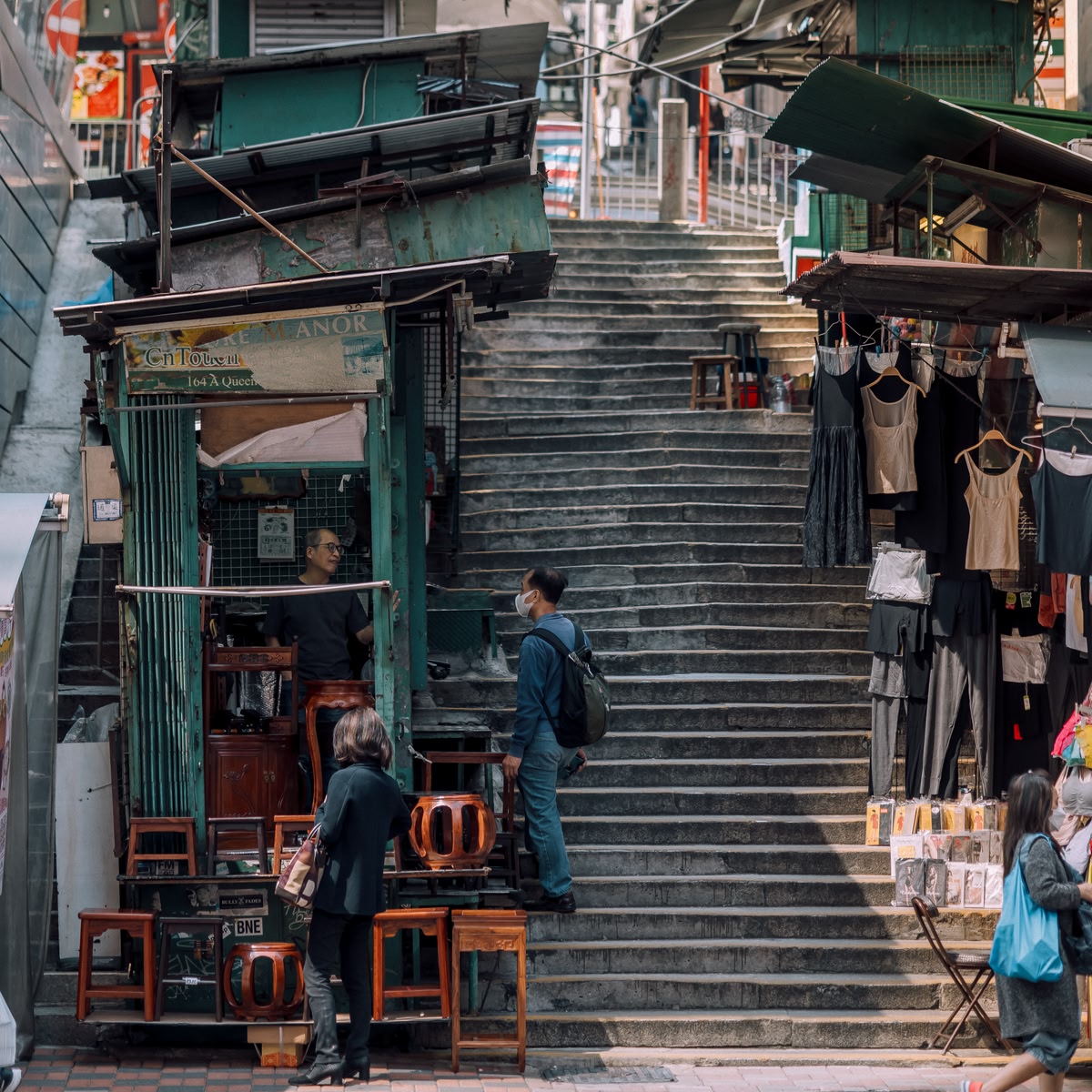
Whether browsing boutiques along Causeway Bay's Fashion Walk, finding international brands in Harbour City or just enjoying the atmosphere (and souvenirs) at Stanley Market, shopping in Hong Kong is always an adventure. To firmly feel like a local, test your bargaining skills at the Jade Market.

Take in the culture

Hong Kong packs a hefty cultural punch into its small footprint – not least from its 156 years under British rule. Rotating exhibitions at the Hong Kong Heritage Museum touch on this, plus topics like ancient culture and Bruce Lee movies. Perhaps the most unusual museum in Hong Kong is the interactive CUPNOODLES MUSEUM Hong Kong, which celebrates the story of ramen.

Nightlife

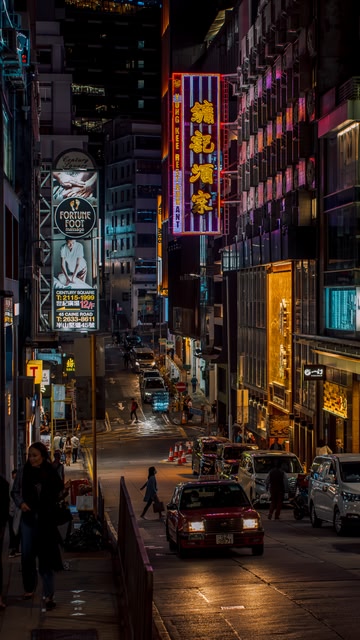
With sky bars, street markets and back-alley pubs, nightlife in Hong Kong appeals to most tastes. Enjoy sunset views at rooftop venues like Sugar or Ozone, before descending to the energetic markets on Temple Street, if that’s your thing. For something different, immerse yourself in the local rock music scene at The Aftermath.

Places to eat

The restaurants in Hong Kong bolster the territory's status as a global food hub. Dim sum is the order of the day on many menus, while street markets offer classic street food dishes like fish balls and sweet soup. Then there are Michelin-starred spots like Luk Yu Tea House and local favorites including Dim Dim Sum in Mong Kok. Choices are endless.

Free things to do

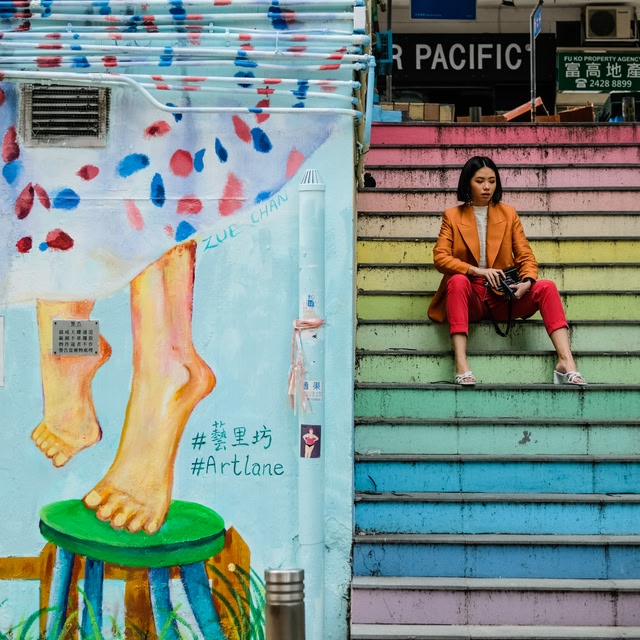
You’ll find free things to do in Hong Kong on trails, in unsuspecting alleys and around the harbor. Journey up Violet Hill and Twin Peaks for coastal views over the South China Sea. Practice tai chi or learn to play mahjong in the public parks. Roam the ever-changing graffiti-filled lanes of Sheung Wan. In truth though, it’s all about the sunsets, so find a hill, a beach or a rooftop bar to settle in before dusk. Be sure to bring a camera.

Beaches

It’s not all skyscrapers and lively street markets here – Hong Kong is also surrounded by natural splendor. From the city’s longest beach Cheung Sha to surfers’ paradise Big Wave Bay, escaping the city’s balmy weather in search of coastal solitude on beaches in Hong Kong is easier than you think. 

Plan your trip to Hong Kong

Budget

It’s no surprise that a global banking hub is one of the world’s most expensive cities. But you can still have a cheap trip to Hong Kong if you follow the locals. Seek out neighborhood restaurants and street stalls where you can have a good meal for under 70 Chinese yuan (¥). A short taxi ride costs around ¥50, but the Star Ferry is less than ¥5.

Day trips from Hong Kong

For beach life with a hippie vibe, take a 30-minute boat ride to Lamma Island. Macau, on China’s mainland, is as famous for its Portuguese architecture and custard tarts as its casinos, and it’s less than two hours away by ferry. Or speed north by bullet train. The exciting megacity of Shenzhen can be reached in just 14 minutes.

Getting around Hong Kong

The Mass Transit Railway (MTR) covers the main districts, with buses and trams connecting stations. Ferries also serve Hong Kong’s coastal neighborhoods, and buses and taxis connect rural attractions. Buy a reloadable Octopus Card at convenience stores or self-service machines in MTR stations to use for all fare payments.

FAQs about Hong Kong vacations

The warmest month in Hong Kong is August, when temperatures hit a maximum of 90ºF.
The cost of your city break in Hong Kong will differ depending on things like your departure point, when you go, and your chosen hotel. Hong Kong flights and hotels usually cost more during busier periods, but you can enjoy savings by traveling in the off-peak months.
You'll be using the Hong Kong dollar (HK$) for purchases during your trip to Hong Kong. Pay with a debit or credit card when you can, but have some cash handy for businesses that don't accept cards.
The rainiest month is August, which receives an average rainfall of 15.0 inches. But don't let that put a damper on your Hong Kong trip — there's still loads to do indoors like browsing shops, discovering museums, or hanging out in cozy cafes.
From Victoria Peak to Tsim Sha Tsui Promenade, this city serves up endless ways to explore. Prepare for your next big adventure by making a list of the best things to do in Hong Kong.
The locals primarily speak Cantonese and English here. Every city has its own unique lingo, so it's worth picking up some common expressions to use during your city break in Hong Kong.
Plan your Hong Kong vacation for January and you'll be there when the weather is at its coolest. 52ºF is as cold as it gets.
Temperatures in Hong Kong rise to around 85°F from May through October, accompanied by high humidity. The rainy season stretches from June through September. November and April are often the most pleasant months for both temperatures and the best deals on vacations to Hong Kong.
Hong Kong is a compact city, so you can experience its main attractions like Victoria Harbour and The Peak over two or three busy days. If you want to include nature excursions in your trip, plan for five days or more.
Hong Kong is generally safe for tourists, though you should always remain alert in case of petty crimes like pickpocketing. Keep your family together to avoid a panicked separation in the crowded city.